
What an Intervention Really Looks Like
with Belinda Walsh
 (opens in a new tab)
The video plays from YouTube. Nothing loads from YouTube until you press play.
Season Partner: Aurora Healthcare (opens in a new tab)
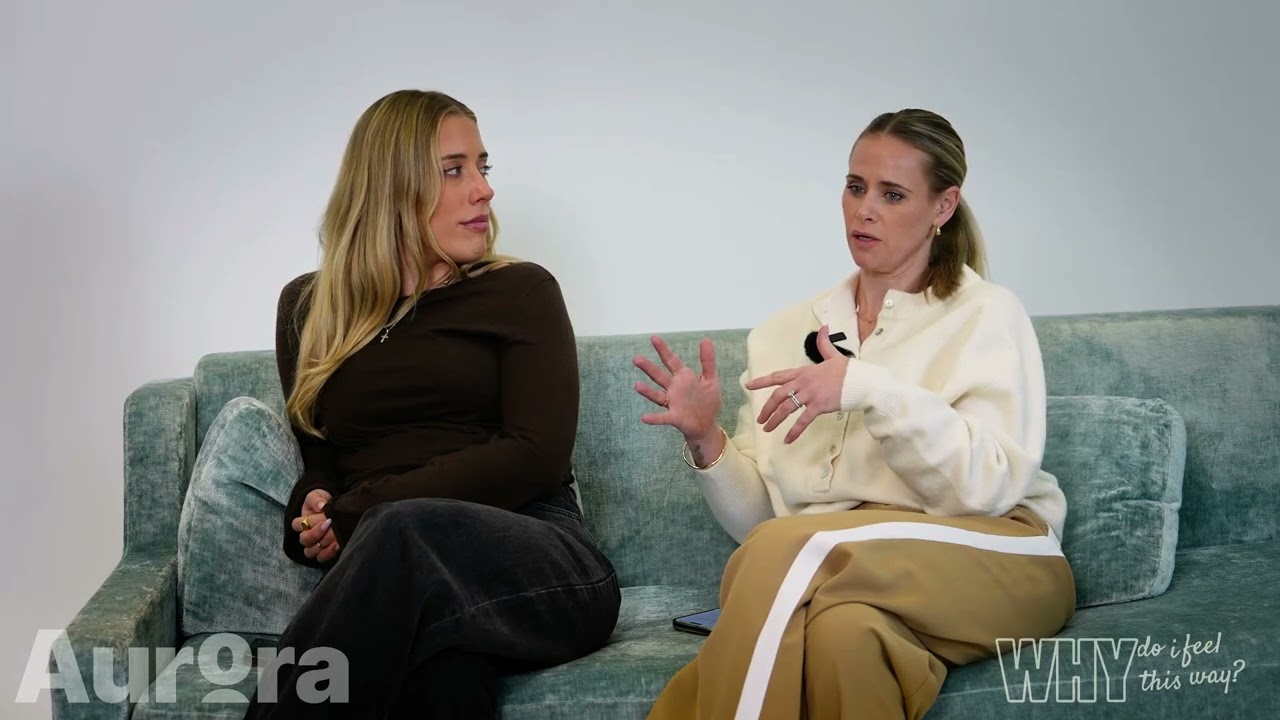
Belinda Walsh returns to Why Do I Feel This Way? with Kate DeAraugo and Claudia Coy to unpack what an intervention actually looks like — and why helping someone with addiction often starts with the people who love them.
Drawing on four decades working in addiction treatment, Belinda talks about the way addiction affects entire families, the difference between blame and support, and the practical steps behind her approach to interventions. From choosing the right people and writing letters to planning treatment and navigating the first days afterwards, she takes the conversation well beyond what most people have seen on television.
They also discuss the myth of waiting for “rock bottom”, treatment options, harm reduction, long-term recovery and the difficulties of accessing care. Towards the end, Kate shares her own family's experience and reflects with Belinda on what changed during the years she was struggling with addiction.
Huge thanks to Belinda Walsh for joining us again.
Belinda / Sober Living Rehab:
soberlivingrehab.com.au (opens in a new tab)
With thanks to Equana Minds.
equanaminds.com.au (opens in a new tab)
National Alcohol and Other Drug Hotline — 1800 250 015
Read the transcript
Tap a time to play from that point. These are YouTube’s automatic captions, so expect misheard words, especially names. Speakers aren’t labelled.
0:02 I'm Kate Dar and I'm Claudia Koy. Together we're unpacking all things life from relationships to mental health, adversity, addiction, and the many roads to recovery. Basically, we talk about stuff yet.
0:16 Join us as we speak to some incredible people from all walks of life, whilst of course challenging our own experiences along the way. This episode is brought to you by Aurora Healthcare, our season 5 presenting partner. Aurora Healthcare is one of the largest private mental health rehabilitation and specialty care providers in the country. Currently a network of 15 hospitals across five states, bringing together decades of experience in supporting people through mental health, recovery, and identity. If anything in today's conversation resonates with you, know that reaching out is a strong first step, and your GP is a great place to start. They can talk you through what you're experiencing and point you towards the right support. The views shared by the host and guests are based on lived experience. Thanks to Aurora Healthcare for backing conversations like this one.
0:59 Claudia, we've got another friend of the show on today, a return guest, Belinda Walsh. Thank you so much for coming back. I always feel weird speaking to you like formally like that cuz I've known Belinda for a long time. She saved my life. Um, for those who haven't heard Belinda's previous uh interview with us, she was back in season 2, I think.
1:17 Season 2 or season 3. It feels like so long ago now. So much has happened. So much life has happened. So much life. Um, and we touched on the world of like families and loved ones of people in addiction and mental health and the world of interventions, which is something in this country that I don't think many people know about and what the process is actually like. And I think we get this really preconceived idea of like, you know, what happens in America and the drama of what happens on television when people imagine intervention. Um, and that's just not what it is. Uh, Belinda, thank you for coming back.
1:47 You're welcome. Thanks for having me back. It's all right. Um I I want to get to the intervention stuff uh and the family stuff, but I I guess for people who haven't listened to our previous episode, tell us a little bit about your story, how you found yourself in this work and the field of alcohol and drugs and and trauma and saving people's lives essentially.
2:06 Thank you. It's a long story. I guess there's addiction in my family and um my brother at 20 committed suicide as a result of you know doctors and we tried to intervene as much as we could. Um but they just said he was too young to you know get help and or to find help or didn't even believe that he could have a problem with drugs and that was many many years ago cuz I was only 21. So um eventually after a while I just had all of this grief and realized that there must have been something different and I knew about the trauma in our family you know just from um our family history and um and I wanted to do something different and help families because I realized there was nothing and I'm talking in 1984 um started researching you know what we
2:49 could do for families and there was nothing and so that was kind of a quest that became a bit of a legacy and so initially I started in this field in 199 86. So long time ago.
3:00 Just a minute ago. 40 years ago. Yes. So I've seen lots of changes in treatment but not enough. What would you say has been the biggest change or Yeah. What would you say has been the biggest change that you've noticed in the last 40 years or lack of change more importantly?
3:16 Yeah. So firstly I'll say the change is that the substances like back in the day it was marijuana, speed, heroin, pills, alcohol. um the drugs today just affect people's brains um very very quickly and dam do a lot of damage to the brain so it's and people can get addicted so quickly to methamphetamines, cocaine etc. Um and I think for me what hasn't changed is that there's still the old sort of model where you know um I guess you know you're putting an addict in treatment where um they're sort of still other addicts are sort of helping rather than staff you know stepping in. There's too much mental health in in addiction now compared to where it was when I sort of first started. That's the real issue, the underlying mental health.
4:05 That's so interesting. So, you're an intervention specialist, Blinda. What does that look like? What is What is your job entail? Well, it's a bit more than that. So, I I have my own treatment center because I believe that underlying addiction is some form of anxiety, depression, and relationship issues and so attachment issues really. And so I always look at, you know, when I do an assessment with a client, like how young were they when they first had a substance and I know that there's something that's gone on in their life, whether it's bullying at school or low self-esteem or undiagnosed sort of mental health that's emerging.
4:42 Um, you know, we have clients as young as seven that started and, you know, a seven-year-old there's something gone down that, you know, people can't at that age express what's even happening for them. So they grow up and they're just, you know, wild already. And that's all people see. And so I think that's the sad thing too that at schools they don't have enough education to really intervene before it gets too bad because there's so many, I guess, constructs around what they can talk about and what they can do for young children that they see going off the rails. That was the case, I guess, for me when I was pretty young at nine and, you know, experienced sexual abuse and had my first drink and, you know, everything else that followed, you know, heroin and alcohol to numb the pain of, you know, my life. Yeah,
5:27 it's a really interesting topic that like I have tried to take my story into schools and and try and educate, you know, I think we all agree that prevention is better than trying to find a solution. Um, and I've been met with so many walls because people are scared to talk about the hard stuff with kids. They don't want to talk about like, oh, once they hear that. And I think it's a really interesting way of thinking because like we can see it's coming out more and more that so many kids are exposed to early childhood trauma, whether that be through sexual assault, sexual abuse, you know, parents who are drug addicts or, you know, all of the these different things. Um and I think it's such a barrier to not educate these kids about what's right and what's wrong and how to use their voice um to
6:11 to name that. Yeah. Yeah. And and as I said that there's the real sort of limitations even in the mental health system, you know, there's a new law that basically says, you know, if you're schizophrenic, I don't have to take medication. Bye. You know, like sometimes we just go through all these which I what I've seen over the 40 years is, you know, we'll do harm minimization. and oh that didn't work too well. we're going back to this and then we're doing this and you know there's nothing that's really been consistent and I just think as you say prevention early intervention intervention can be the first you know I guess the first bad experience that someone your loved one has whether that be you know dropping out of school being you know suspended just having a look at what's going on underneath because I do
6:57 believe that they're medicating some form of adverse experiences and trauma and that's how addiction starts and it affects the brain and so therefore you think you're dealing with your loved one but you're not. You're dealing with an addicted brain that's affected damage.
7:13 We hear a lot in the industry that um addiction is a family disease. What does that actually mean? I know that you get a lot you get contacted by a lot of families in in what you do. What does the family disease thing actually mean? Look, I I like to soften it a little bit for families because I think they've been um they've been made out to be the problem. Whereas really I think with families, it's the same thing. Like if someone has cancer, everyone's researching going you should try this medication, you should do this and stop doing that and you know and everyone gets involved around that person. It's the same thing with addiction. So it might be that you have one parent who's like, "Oh, poor thing.
7:51 we know that he's been bullied at school or something's happening and then the other parent has to be, you know, tougher. So, their boundaries change and the things that they're accepting from their other children, you know, just boundaries wear down over the time and so in the end they're just grateful that their child comes home or something in the nighttime and rather than everyone comes home for dinner and calls and so the fabric of family changes and there'll be an inshment around the addict.
8:17 Yeah. Can you can you touch on what means? just means they're in their business all the time trying to save them, counsel them, you know, just run after them, spy, be the detective instead of being the mother, sister, you know, you know, parent, grandparent. They're really trying to sort of get in their business and find out what's going on and trying to rescue or, you know, um I guess the other thing enable in some ways. Oh, poor thing. They haven't got any money and we need to give them money and you don't realize what happens. And and I think in all fairness it isn't, you know, it's all very well parenting children when nothing goes wrong. But when you've got an addict in the family and suddenly things are going out of control, like it's not your role. And I often speak about this, you know, I do
9:01 have an addict in my own family and I've been doing this work a long time and I cannot tell you how many phone calls I've had saying, "Now Belinda, you're not his counselor. You know, you're his mom. Thank thankfully he's clean." But, you know, it took a long time for me to put a fist in my mouth as well and be the mom and not the detective or try and save his life and all of those things that I tried for many years and found out I couldn't.
9:22 Anyway, so it's a difficult thing that's in meshment when everyone's sort of involved and and I think what happens is the siblings, if it's a parent situation, the siblings just get sick of hearing about the addict, you know, and the fabric of family breaks down.
9:36 Yeah. How does one help somebody that they love from destroying themselves whilst like from destroying like the addict allowing them to destroy themselves whilst not actually destroying their ownelves? Does that make sense? Like is how does how do you even begin to show that to people? I'm assuming by the time most people get to you there's been a lot of years of mess and trauma and crossover and enabling and all of that kind of stuff. How do you how do you start to undo some of that and get parents to step into a supporting role as opposed to an enabling role?
10:11 Yeah, look, it's a great question. Um, I think there's many ways. It's really to open your eyes and see what's going on. Have a look at when behavior first started changing because I'm sure it won't be when you when they're just in your face. It could have been a year before or you know, is there something going on at school? Like what else could be happening? Get educated. you know, if you find a substance or something in their room, you know, don't go straight off at them. You know, research that substance, what it could be, understand, you know, when the behavior changed and actually go and get seek seek help for yourself before you even talk to that to the to your loved one because I can tell you a one-on-one conversation with someone who's using substances, the likelihood of them getting help from that one conversation is zero. So, you
10:55 know, um things like, you know, not giving them money, doing things that, you know, I always said to my children growing up, you know, I will only support you to be healthy. I won't, you know, I won't involve you in anything. Won't involve myself in anything unhealthy. So, I never bought them alcohol when they were 18. I didn't buy them cigarettes. Those sort of things were just clear. Um I love you too much to collude in anything that could cause harm. Knowing that there's addiction in the family and just, you know, educated them about that.
11:22 be open if there is addiction in the family about the genetic predisposition that can happen. So just be educated really is what I'm saying and go and talk to an addiction specialist or a behavioral specialist or a trauma specialist if you know something has gone wrong because we know you know drugs and substances are the medicine really that are numbing the problem until the medicine becomes the problem. Yeah. just in this moment while it's fresh in my mind if there was you know I think for families it's from what I hear when people come to me and and and listening to people over the years the biggest question I get is where do I go like what do I what do I do where do I find stuff like is there some resources or some quick like places people could go to read or get a little bit more
12:06 educated about that kind of stuff look I I really like looking at Dr. Aemon's work, Daniel Aemon, he's got some spec scans on different substances and the impact on the brain. So, you actually get a picture that you're not really talking to your loved one, you're talking to a brain that actually no longer consequentially thinks through things. So, stop nagging because it's not going to work. Um, and then going and do things like there's ARC through Shark, which is addiction resource center for parents and families of loved ones that that are around Victoria.
12:36 There's lots of things like the 12step meetings. go and sit yourself in an open, you know, alcoholics anonymous, narcotics anonymous, Alanon meeting, go and have a look for an addiction specialist. Um, obviously, you know, you can contact myself, Kate, obviously. And then, you know, we're happy to help in any way that we can.
12:53 Um, family education days, look those up. We do them at Sober Living and, you know, just get some education for yourself so you're fully armed and know that one-on-one it's pretty hard to actually intervene on a loved one. Speaking of intervention, because I think a lot of people when we hear intervention, we think of what we see in the movies and the TV shows and it probably looks, I imagine, very different to what actual intervention is. Can you speak to what a typical I don't know if there even is a typical intervention would be and and how it differs from our perception of it?
13:23 Sure. Well, firstly, I was trained in America, so you know, I set up hospital and we used to just go and drag people, throw them in the back of the car, and they'd wake up in hospital. And that was my first teachings. And I always remember my first intervention where, you know, the intervention specialist is supposed to be the specialist. And and I thought I'd educated this family well enough. And I remember there was like eight daughters and I come in think I'm doing an intervention. And they go, "Oh, here's Belinda. She's coming for dinner." So I already knew I'd lost control. And then we're sitting there having dinner and I remember oh we're just going to get dessert and then next minute eight ladies daughters and mom bring out their letters out of their bras right and then we're intervening around a dining room
14:05 table. it just went completely wrong and I just could see the shame for in this case it was a alcoholic um gentleman and um it was just too much and I really saw the difference between I guess the American model which is quite shame based if I must say and so that kind of set off this thing that you know in Australia we don't especially back then that was 35 years ago we didn't discuss addiction we didn't discuss mental health we didn't discuss anything that was going on inside the family we tried to cover for them, you know, work, you know, school, whatever it was. So, I realized I needed to do something different and so kind of set up my own intervention model. So, my model is really training the family to change and to write loving letters and how, you know, make up to three, no more than
14:52 three real um things have impacted them. So, factual events, you know, it could be like, you know, when you fell off my chair at, you know, our engagement party, I felt, you know, disappointed and angry. you know that could be from a sibling, from a parent, it could be you know when you dropped out of school and I can't you know reach you I feel frightened just you know generalize things and you know that we just want you to get help so you've got to make sure that I guess words what I've realized is any words that blaming shaming judgment critical or said in anger the addict will argue so I realized that you had to take words out that you know that could be deemed critical judgment mental, shaming, blaming, judgmental, angry when you're sitting down talking to an addict. So, I really work with the
15:40 whole family and the family may be a mixture of friends, co-workers. I've done workplace interventions which are very different than family interventions um and and really talk about, you know, the beautiful times like I remember when you were born and how beautiful, you know, it was to hold you in my arms and then, you know, watching you, you know, play with your siblings in the backyard, Batman and Robin or whatever. you know, it takes the addict back to a really time when they were part of the fabric of the family. And so they're used to a family member going, "Where have you been? What have you do?" You know, and all the stress and fear that is sort of dumped on the addict. And they don't expect that. So it's very loving and then it's factual. So it's not like, "Oh, okay, you know, you it's like the person the
16:24 addict needs to know that the person that's saying this in intervention actually knows about it." And then the finish, as I said, is really about, you know, I just want you to be well and healthy and back to, you know, being able to be part of the fabric of the family and um and for you to have a happy life or whatever it is that they know that they want. Um and and not everyone says, "Please complete the treatment program." It might be just one or two key people um in the intervention. Yeah.
16:52 Cuz like in the in the shows, the movies, we it's always seems like a bit of an element of surprise. Like you said, like we're at dinner, surprise is an intervention. Tada.
17:01 So that's not the when you come in. Are you present at these? Yeah. You're never present at the internet. Oh, okay. Right. So that's where I'm really different because what happens then is Yes. It's not a surprise. So that we will work out something like I'm making it up. You know, Auntie Betty's coming down and uh we're having family dinner on, you know, Saturday or something. Definitely. I wouldn't say on a Saturday. Actually, scrap that. Not on a weekend. Um Monday, Tuesday. Come down, Dad. they're out.
17:29 You know, weekends even for an addict that uses seven days a week. I don't know. It's something about it's still the weekend. It's the weekend. It's still the weekend.
17:36 So, don't do it on a weekend. You got to do it midweek. So, you know, doing something like they actually know they're coming to dinner and Auntie Betty's going to be there and, you know, brother and sister and what whoever else. So, they actually know that they've got to come, they're just medicated just enough to get through a family dinner. Um and so therefore it's sort of like you know you still have the family dinner or whatever it might be and then go ahead and say hey we just you know want to speak for 10 minutes and you know it's quite loving usually.
18:02 Yeah. What's the importance of and the role of like the people in in the actual intervention? I assume people would initially imagine it's like a mom, a dad and a sister, but moms and dads might be the most triggering people. Like what how important is selecting the right people to actually do the intervention? Yeah. Look, I usually say if it is a si a child, mom and dad pretty much say nothing because they're so used to it. So whoever, so say the enabler, like the enabler would say very very little. The one that potentially is the one that's trying to control behavior becomes more loving and needs to be more loving in their letter. And um it might be, you know, a a school friend or something or other that's lost the relationship from addiction or something. So it I always pick someone that's um the facilitator,
18:53 but it's never a parent or a partner of an addict because they've already been through all the conversations in the world. So it is not going to work. And I say to them afterwards, you do not talk. Actually, do not answer anything. Like the letters are finished, you say nothing. Whoever speaks first loses. So it has to be the addict asking, "What are you talking about?" And then I've picked people that one or two people that are usually the calming people to answer the question about where they're going and why. But family members, parents, no. Partners, no.
19:30 When's a good time to consider doing an intervention? Like is there a right or wrong time? Is it is it the timing part important? That's another good question. Um I've had a family call um you know a couple of months ago and they wanted to intervene and their child was sort of they didn't know where he was and you know they were really panicked and then they rang recently and said look he's at home and he seems to be trying and you know we should do an intervention now and I said absolutely not don't do an intervention while they're trying and doing well like they go well we know he's going to fall off the wagon. And I said, "Well, just support the good stuff." Like, "I really appreciate you being at home and try and can see you trying." And, you know, just suggested
20:10 that they look at doing things that he used to enjoy or things that he might want to try to give him a bit more purpose because I do think in the long term people need purpose to stay clean. Like it's hard enough to get clean. White knuckling recovery I think is the worst thing you can do. So it is about you know trying to find some purpose for the pain and so that people can actually regulate their emotions because effectively substances destroy the ability to regulate emotions or Yeah. In your model with the intervention like say it happens over the family dinner is the next step straight to treatment like what does that look like in terms of like that night or like the next day?
20:52 Um most of the time I say you've got about 12 hours. M so the next morning do not leave them alone every addict will have their last little thing and we understand say with alcohol if they're drinking a lot that you can't just go well we're going to stop right now so some people do have to have you know some sips of alcohol to get them through but essentially yeah we try and get them in within 12 hours because the motivation of that feeling of love um yeah is different and if I was in the room and I do occasionally go but I can tell you it's not good because they're like who she you know this is really like they already feel ashamed that's what I've seen in Australia versus in America. Yeah. So they just feel like they're loved and we pick who
21:37 takes them to treatment even that keeps them calm and really educate everyone. So it's almost like a play. It wouldn't be so if there's five people in a room it wouldn't be you read your letter then Kade. It'll go here and then there and then over there. So again, you know, you don't the addict doesn't know which one, you know, he's going to read next. And you also don't have them sitting near a door looking at a door going with nothing in between because there's my skate route and I'm off. So there's just like everything is scripted to the to the point I actually get families to send me like a picture of their lounge room or wherever they're going to sit.
22:11 Wow. And who sits next to them. Yeah. Can I ask the I'm sure it's me very obvious answer but I don't know but why it's reading a letter and not just them like saying how they feel off the top of the the dome. Um well a addicts don't have very long to retain information. And I also think you know I've had I've had stories of families um I think I mentioned in the last one too. You know I had someone can't remember 25 years later reach out for their grandson and that I'd helped their son. I' heard from people that have kept intervention letters in their wallets for the rest of their life, you know, because they're so loving. So, it is something that I had another intervention where, you know, they'd found the letters. It was a couple. We knew we had to do the couple
22:56 because they were going to choose each other rather than get well. So, we had to have a plan for the the couple. And they'd read the letters and I walked in cuz they didn't feel confident and they allowed to swear.
23:07 Yeah, absolutely. And they were just like, "Fuck you. I know what you're doing going to do." and they just bolted out of the house but they'd read the letters and a couple of days later they actually went into the treatment program and then I get a call from the family ages seven years later they're married kids they're clean they're whatever else so you know the letters stay with people because you know if anyone knows when you've been talking to a loved one they already know what you're going to say so this comes about in a really different way yeah would you all I imagine somewhat like I imagine myself trying to talk to somebody that I love when I'm riddled with like anger and they've done all really things and it would be hard to keep on track and then then I'd be like and
23:51 very good and this and then you did this then you did that and that's I I imagine that comes out a bit too the old unplanned intervention. Yeah. You use one extra word I tell you even one word like every time you come home you stoned well no last week I you know I've done that. That's not true.
24:11 And you know, and you lost, you've already lost it. So that's another thing. And and you going back to the point of timing, too. I If they come in and they're too smashed, shut up. Sorry. That's actually what I do. Tell families, don't don't do the intervention. I know everyone's there and it's a pain, but they won't be able to hear it. So don't do it.
24:30 Do you read all the letters beforehand? Absolutely. We So an intervention with, you know, myself and hopefully Kate as well as we go along. and Kate sitting on one sitting. Yep.
24:41 Cape. Yeah, I'm I'm working. I'm training to be an interventionist. Oh, yeah. There's that too for me. Thank you. I thought you were talking about like a business partner.
24:48 Know me the miscape. Miss Kate, you think you know someone? Yeah. So um so look in the beginning it's like it's usually you know someone will contact me and um we'll have a conversation on the phone about who does who does the that addicted loved one you know respect is there any respect left and it could be grandma a godp parentent a friend at school that they're sad that they've lost a relationship with so there's a lot of planning about who actually is in the intervention if it's a really large family and and a lot of times siblings have just gone I've had enough um they may not be involved but I would actually I use the sort of the first session I say I don't care how many people come to that and we'll work out who are going to be five five seems
25:34 to be my magic number and I've done over 780 and only three haven't gone to treatment so I'm like I think I've got it right now in some way so yeah we've talked about rehab a lot during this series and you know a lot that comes up whether it be our guest or Kate's experience it seems that most the time one rehab stint isn't enough and it takes a few goes to find recovery. Is it the same with interventions or do you find it's usually a one hit wonder where it's like that's seems to be like enough? Look,
26:04 it's look, everyone's different. I think there's a lot to do with treatment matching because you know like that's I think part of my job is to hold integrity and go, okay, well, where do I think this person is? And I'm straight up with families. You know, I had a call just the other day and you know, they're in a psych ward and you know, they're like a minimum of six months, most likely 12. Um, the other thing I say to parents, which they don't know, you know, go and get private health insurance with top hospital cover in psychiatric care because you can get cover in 2 months, which usually if it's a pre-existing condition, it's 12. But because they see that addicts in denial, they don't, you know, they don't call it a pre-existing condition. So that when someone goes, "Hey, I've stuffed up."
26:49 You go, "Okay, well, here you go." You know, so treatment matching is an important thing and length of time because it is a disease that affects the brain. So for me, when I like I look at my clients, I always say the first month is really you're just withdrawing and you're just landing. the second month they're still blaming everything in their story and trying to hang on to it and you know and usually about the third month depending on how damaged I guess the brain is like too many psychosises etc they start seeing that they're a central figure in all of this and then they can start you know trusting staff to go a bit deeper about what might have happened and you know how they could have managed that a bit better and then you know they teach you learn about you know regulating themselves and you know
27:34 it's a it's So, it takes time. It's definitely a time thing for everyone, but you know, I'm not a fan of sort of huge big treatment centers because people get lost.
27:46 Yeah. What do you think some of the myths about intervention? Um, I think the myths are is that, you know, you're just going to drag them off to treatment and, you know, you'll be able to sort of bang on a door and they'll walk in the door, which they do in the US. I could ring someone now and say, "Hey, got a you know, 16y old, you know, 45year-old, a 60-y old." and they'll say, "I'll just have them here by midnight." Doesn't matter. They don't care. You can't do it do do that here.
28:08 They're still very It's really I think quite sad that you know the addictive still has to ring every treatment center and say, "Yes, I want to come in." And there's many barriers to intervention, which is why it hasn't taken off in Australia um as much as in the US. 81% of people that enter treatment um the first time in US is via an intervention. It's such a big thing.
28:30 Wow. Yeah. It's really I'm really glad you mentioned barriers like there in this country there are some. So before you probably don't know this but before you go into most treatment centers here there's a whole process you have to go through. You have to get a doctor's referral. You have to get a set of blood tests. have to do all these things which is actually obviously for somebody who's as chaotic and unpredictable trying to get an addict to go and get a doctor's referral and a blood test like it it it really slows down the process and quite often um the window of sanity or opportunity gets missed which is a real which is a real shame.
29:02 So I actually go and speak to a family member and say hey if you got a good family doctor that you can go to and they can get a referral done which they do and things like that. Yeah, cuz you mentioned before how you have that 12-hour window from the intervention to go to treatment and that's the sweet spot, but how does that work? Is that the treatment center? Are they ready for that patient? Do they know that that patient's likely coming in?
29:23 There's a few treatment centers that I work with and obviously sober living as well, but that um that trust I guess that the assessment has been done as much as possible. They still will do a you know, hey, does this person want treatment on the day of the intervention? And if they say yes, they'll follow up and do that. I'm not a big fan of doing lots of assessments before people come in because what are they really what stories are they telling? You know, they don't remember if I did an assessment on someone who's, you know, just coming into treatment and assess them 3 weeks later. I can tell you the story will have changed.
29:56 I'd love to see my initial assessment. What would I have said? We should we didn't get an intervention, but my initial assessment into rehab, I'd love to read that document. It would be that I didn't use that much.
30:09 Oh yeah. Yeah. So either people will under or over because the ones that are say, "Oh yeah, I use every day." They if they're going to a medicated detox, they just want to make sure they've got lots of medication on board. And other ones that have got shame will say, "Look, I only drink twice a week. I don't know what happened here and why I'm here." And you know, so it's all those sorts of things. Yeah. You have to have a good continuing care and a good relapse prevention plan for people when they leave treatment because it's not just like okay I've done treatment and families sort of think that yay they're in treatment they're going to be great. No they got to have an ongoing care.
30:44 I think that's such a good thing to touch on like that misconception of people going I'll just pop into a detox or I'll go and do a 30-day program and then we'll be like done. See you later. Get on with life. Um business as usual. Do you very do you ever really see somebody go and do that 30-day and and be done and move forward with their life and never pick up again? Do you think it's a do you think it's doable?
31:10 So I will answer that probably in the fact that 99% of No. Yeah. But there are ones especially like workplace where there's already a purpose. they know what they got to lose where um that's what they pride themselves on
31:25 so that it's like gosh I never want to do this again and I'm getting on with my life but most addicts that I see aren't ones that have purpose in their life and they're just sort of struggling it's like groundhog hog day how do I get the next you know drug and yeah
31:40 that also brings me to another thought of like I think also a lot of people think that all has to be lost before intervention happens people have to hit the ground all the way where they've got no job, they've got no family, their partners left them, um, and maybe if we stepped in before all those things happened and there was still purpose left that the idea of recovery being possible is more likely.
32:05 I agree. I think, you know, like what is rock bottom, death, jail, you know, whatever, destitute, it's just stuff that happen. It's a crazy myth. You know, you intervene when you see there's a problem. Like whether it is just you know starting going to family counseling and sort of talking about what's happening in the family or whatever that is because the more the brain injur in is injured the longer it takes for someone to get well the more you know they've lost jobs and they've got you know reputations um in a field of work you know it's very hard to get back and that's very I guess it's hard to be able to sort of manage how do I navigate that and get back into my worker field my field of work. You've, you know, you've got a reputation in that area as I'm sure you know, Kate,
32:51 spent the last eight years trying to fix that. You know, it's it is hard and I I another thing I was wanted to talk to you about, I've just been um introduced to this world of harm minimization. And I think it's a really interesting topic. And harm minimization had never been presented to me in my years of trying to get clean. It was always you're using or you're not. And that's a fail or or a loss. And I'm curious on a clinical level as you've seen addicts, you know, I think for me inevitably like abstinence was always going to be the answer. Like manageably using drugs is never going to be a thing for me.
33:28 But I wonder whether and I don't know and I'll never know the answer and I don't know if it even matters. But I wonder whether that black or white if there was some gray in there would it have got as catastrophic as it did if harm min had have been a part of my story? And I'm interested from a clinician's point of view what your views on harm minimization is.
33:48 So firstly I think if a person has got nothing harm minimization is probably a very good answer meaning no family supports etc. Um, I would say abstinence is gold standard because you've got control of your life and, you know, you've got, you know, guidance and, you know, things like that to work towards if you've got a good um, continuing care plan, a relapse plan. Um, in terms of harm for a methamphetamine addict, I mean, what does that look like?
34:20 I know, right? Yeah. So, heroin, yes, it's, you know, and, you know, nrexone, but bupinorphine, there's all sorts of things. I don't think they've come up with a good harm in for a
34:29 harm minimization. Yeah, it's it's an interesting concept and um one that I've just started to explore and I'm on the sort of quest of asking like clinicians and different views on it. I find it a really interesting topic.
34:40 No, look, I um it's for some people I do say like it's keeps them alive. So, keeping them alive until they get the will, it's a it's much better than you know overdoses. But I haven't seen anything that works that well with methamphetamine addicts in terms of harming.
34:59 They're just loose. Sorry, I digress. I just No, no, no, no, no. I think it's important question. Heroin, as I said, you can get implants, you can do all sorts of things. Alcohol, but you know what I know about alcohol and things that are offered, nrexone, etc. Or, you know, um I can't remember the name of the other one where it just makes you feel sick. If they're going to drink, just stop it for a couple of days. Like that's it. Then they start. So, but at least you know it gives that like I believe you know one of the things that is different is I guess to fight to keep people in treatment long enough to actually make sure that their brain are starting to think consequentially. So longerterm treatment is still better than I guess you know harming but harm I've definitely recommended for many
35:45 many heroin addicts because it's just too dangerous there you know yeah and lots of people now I think it's really hard to get into treatment actually come off heroin you have to go on to buprenorphine or something so that you know they're not going to be at risk of being pulled up in coroner's court etc but it's still got a way to go So, we want to tell you about Auana Minds. They're a proud partner of this episode.
36:09 Awana Minds is an Australian online psychology and counseling service. So, basically, it helps match people with therapists based on things like what they need support with, their language, cultural background, and therapist availability. And it was created by Matt Peterson and Julia OS because both of them know personally how difficult navigating mental health support can be. So, Julia moved to Australia from Italy. And when she needed therapy here, she found that getting help wasn't just about finding a qualified psychologist. She's also trying to explain her language, her culture, her family background, all the things that shape how you understand and talk about what's going on in your life.
36:41 And therapy really clicked for her when she finally found a psychologist who spoke in her language and understood where she was coming from. Matt Haye's own experience trying to navigate mental health support and saw the same problem from another angle. So together, they built the one thing they wished had been easier to find. And that's Aquana Minds online psychology and counseling across Australia with therapists available in more than 25 languages and a matching process designed to look at more than just what's written on someone's qualifications.
37:08 Because asking for help can already be hard enough. You shouldn't have to spend half your therapy session translating your language, your culture, or your whole life before you can actually talk about why you're there.
37:17 This episode is proudly supported by Aquinamines. Find out more and get matched at aquatin.com.au. There's a link in the show notes. We live in a country where alcohol is used for celebrating most things. Birthdays, Christmas, Fridays. There's also a lot of industries where cocaine is just so casually used. Yeah. And it's not even a big deal in these, you know, it should be, but it's treated not as a big deal. When when does it become like your loved one likes to dabble and then where's the line between they actually need intervention?
37:55 I think it's when they're when you can see that their life is falling apart, you know, to to a certain degree. They're not turning up to work as regularly. They're, you know, driving under the influence. They're, you know, just there's messiness. Um, and cocaine can and and you know, even meth in the beginning can actually, you know, for people that have got ADHD, you know, can actually seem like they can focus more and they can do things and it's great for a little while until you end up in psychosis or something else happen. So with with alcohol, I think that's one of the things that I've seen really change since co so many really young alcoholics. I'm talking 23 year olds that are drinking two and three bottles of spirits every two days and just wrecking their livers. Like I Yeah, that's been a shock.
38:43 Why do you think that was because of co I Well, it was hard to get drugs. Um I won't say what's the main line of where most substances come into Melbourne for sure. Um, so a lot of people turned to alcohol
38:57 and uh it's it's Yeah, because there wasn't that much there wasn't as many drugs around to get That's so interesting. I never thought of that. And getting to them was harder
39:06 getting I I looked I mean I was clean during co thank god sure I would have ended up in jail but you know I looked I thought about addicts going it would be like it's hard enough on a normal day to get around and and be stealth and sneak around and not get in trouble but co would have been really an extra layer of
39:24 hard yeah there weren't chips coming in there weren't you know there weren't drugs coming into the you know cuz it lasted so long especially in Melbourne it was very hard to get drugs compared to what on the market, you know, previous to that.
39:37 And if there's anyone listening who has a loved one who is struggling, how would a loved one best equip themselves for a successful intervention? Look, I think always, you know, reaching out to, you know, you know, people that have got addiction experience and family systems, you know, experience is a really important one as well. There's so much like do Dr. Gabbor Mate um Christopher Kennedy Lawford um he he did amazing work for families and just looking up some things um there's so many others that just um that you can just research and and look and see what you can do because I do think if you're educated then you are making an informed decision and then you can look you know take you know take a step back from the emotion of the fear of losing a loved one and go actually what is happening
40:26 what's happening in the family who else in the family needs support for instance like am I are thei are the siblings suffering and you're just ignoring them and start having back to a boundary sort of you know family life and understanding that at some point you know when the family are ready that there are intervention specialists out there
40:46 what do you think is the oh yeah what what do you think is the worst thing that people can do during an intervention go script. Yeah. Yeah. What's the what's the most common mistake families or loved ones make when they're trying to do an an intervention on their own? Uneducated, unsupported, like what what's that looking like?
41:11 Um, look, I think if you've got guidance and education, um, you know, you can have a go. But I I always say, look, even if you get some advice about it before you go in and do it is is the better thing because, as I said, you use one word and they're out the door. They've just lost, you know, the next person that's going to speak, they're not going to listen because they're going to be thinking about that Thursday they didn't use or, you know, whatever. It's easy to get out of control. So, I'm not saying it's impossible to do, but the worst thing is that they'll add in words or they won't be um scripted and so therefore will go and then there was cuz they'll remember things as they go along and you've lost them. And so then therefore doing an intervention can actually almost be
41:55 shaming again because oh here we go. I was sitting down doing an intervention but the last one didn't go so well so it's not great. Um and it's usually the family system hasn't changed. So the enabler will still be the enabler. the angry one will still be the angry one. The siblings are like, "We dragged here again to talk about our sister, our brother, and you know, they don't want to be there." Um, you know, the grandparents, I don't know, they may not even know. And they, you know, using um examples that, you know, their daughter or son has told them about their, you know, grandchild and the grandchild will be like, you know, there's something that's quite shaming. How does she know that cuz you're talking about me and who else you been talking to? And you'll just lose control. Yeah. Cuz you think
42:37 about on a different scale when you are like, "Okay, can I talk to my partner about this thing that's been bothering me?" And you go in with a plan and you know what you're going to say. But then in a conflict situation, emotions get height and you use words like always, never like, and things do escalate. You're like, "Wait, how do we get here?" So, I could see how that would be a similar experience with interventions where it's like, but if you just stuck to your script.
42:58 Yeah. And just tried to keep it at that level. Feel like all conflict should be done with a script. I do now. I agree. I was like, "How many times have I gone in with like Shannon or a partner or someone with this intention of being loving and kind and he's said one thing and I'm fighting myself to be calm and he says it and then I've exploded all over the walls."
43:16 Yeah. Well, it's so hard not to use that language. You always do this. You never do that. And I'm trying to catch myself now like just even, you know, in in in relationships and friendships where I'm like, "Let me be very conscious of my language." And I think that's just so important. And so I can totally understand if you have that and it's gone through an intervention specialist so it's been approved for the right language.
43:38 It's so interesting. It's also interesting. Do you find that a lot of you've done what 780 is what you said? Do you find like a lot of the interventions now it's like almost rinse and repeat where there's such a similar flow or are they all entirely different?
43:51 Entirely different. Wow. And I think that's the that's another myth about addiction. You know heroin addicts are like this. You know meth addicts are like this. You know alcoholics are like this. That is just wrong. Everyone has their own story. Their story brought them to the substance. I do I I wish there was more research because I do find it quite intriguing when I look at the neuroscience of what happens with the change of the brain. I remember remember for myself, you know, I was already drinking at 9, dropping pills at 12, heroin at 13. You know, it was when I first had my hit of heroin, I just went, "Oh my god, that's it's the wonder drug." Yet, you know, someone gave me speed, say, you know, a year later or something. hated it. So there's, you know, it's almost something that there's a switch that gets turned
44:34 on in your brain when you hit the right kind of drug. That's kind of an interesting one, too. So, no, I don't I I disagree. I'm really And I think that's how treatment centers haven't really changed. They're just like, you know, why are we educating people about addiction? Yes, show them brain chemistry or whatever else. We all know how to use substances. Like, what's the information about that? You know, it's really like what happened for you to pick up what, you know, really is underlying these what you know is happening in your life that you need to get fixed so that you can walk out the door and have your head held high. You know, how do we repair relationships?
45:08 How do we, you know, whatever is needed for each individual? And that's why I love having individualized treatment plans because everyone is everyone comes with their story. From my point of view, I think that's a really important thing that I would like to share is one of the things that stands out to me about the way Belinda does things is so many treatment centers are rinse and repeat for every person that walks through the door. And I think it's people are starting to catch on to the idea of that treatment should be individualized and everybody has different requirements and it was actually one of the things that used to cook me when I was in treatment with Belinda was like, well, that person gets to do it that way and I own these rules for me and that one for you and I really struggled with
45:46 it. Obviously perspective and a little bit of awareness is, you know, makes me see really differently. But looking back now, everybody needed different things and everybody needed different boundaries and some people wouldn't have stayed if they didn't have that little bit of allowance. And it was really it was a really important part of
46:04 being in treatment with people being seen for their stories and what they needed and and where their sticky points were compared to the next person's. And I think that more treatment centers need to adapt that
46:14 um especially in this country anyway. And look, I know what they're doing in the treatment center is what they're doing at home. So, you have to intervene at to the behavior, but you know, it's almost having a corrective experience where you're not I don't boot, you know, that I don't boot people out very much because that means I've given up on them when other people have given up on them. And it's very hard on our staff. It's very hard on other clients. But I will fight to keep people in. I was telling Kate it's only a few months ago I was some kite was in psychosis was supposed to be clean he was in psychosis and so I start chasing him down the road and I can't chase anyone down the road anymore I'm 64 and got lots of metal in my body anyway I get
46:55 like nearly a kilometer down the road and I was like a kilometer is a long way I know I couldn't chase anyone for a kilometer I know he was like you know I knew he was like on a mission and he was psy psychotic and I don't recommend everyone does it but it's kind of like what I do anyway I just said this. I can't run anymore. I said, if you want help, turn around, come back. Right. And anyway, so I just walked back and think, well, there's nothing much. And I was really scared for that person. This person had been on life support four times in the last 3 weeks before they came to us. It was serious. Really incredibly serious.
47:29 And but I just couldn't chase them anymore physically. Anyway, I get back and I get a call and he goes and he rings me up and he goes, "That was the moment I knew I was loved." And it was that was it. It was just like even in his madness he could say like I still wanted to help him you know. So I don't know it just I'm crazy but
47:50 you are crazy. Get it done. But in the most wonderful of I I don't know why this is like I just need to the intervention when they have a family dinner.
48:02 Claudia's back at family dinner. I just got to get my head around. Is there this might sound so trivial, but I'm just trying to understand what that looks like. Is it
48:10 after they've had the dinner is okay? So, we're not lying. They're going to come and have dinner and then go off to the lounge room and sit down. But is dinner quite awkward, I imagine, because everyone at the table except for that person knows what's coming.
48:21 Oh, look, we've practiced the letters at least twice. So, we'll practice intervention the family. So, part of an intervention is go write the letters. I'll edit them. I'll go back and talk about why, you know, this is important to be in there when I think it could be, you know, changed a little bit or that it's repetitive because, you know, there's seven people and seven people have written the same sort of factual event, etc. Um, so it there's a practice run and a practice run again. And as I said, even down to the point of a sketch of the room, so or a picture of the room, so I can work out who sits on the couch next to the loved one. And you know most of the time I don't usually say dinner as such and I come over and you know not usually have a drink
49:02 although I have had wine and cheese at interventions which isn't a good look but whatever it's still whatever gets them there. Yeah. How is that conversation introduced? It's just the facilitator will just say, you know, you we got come into the lounge room and if there's a couch with three, addict should be on the set center and two people, not usually parents or siblings, but whoever they have respect for will sit next to them. Um and then they'll just say, "Hey, look, you know, we've um we've we've come together out of love. Um can you please give us 10 minutes?" And sometimes I will not let an intervention take longer than 10 minutes. So if I will cut it down so it's under 10 minutes because I know you haven't got long.
49:43 Wow. And I don't say for the first three people it's just a loving letter without please go to treatment. So they're softening up as the letters are being read and going oh yeah I remember I used to love doing this and going out and hanging out and doing this and yeah I haven't gone fishing for a while or got on my jet ski or you know and they're starting to think in a slightly different way and then there might be one or two that will say please go to treatment. Yeah. So, is there ever anyone there that job is not to speak, but just to be like not on their side, but like almost just like a um I don't know what the word would be, but someone who support person.
50:18 Yeah. A support person for the for the for the individual that you're intervening. The support person still has a letter to read. Okay. Yeah. Whereas, what are they doing there? They're just observing people sort of giving them a hard time because it's just about love,
50:32 right? Yeah. So, everyone has something to say. Yeah. So interesting because again putting it back to conflict because I haven't experienced um interventions before but I know how defensive I can get if someone calls out maybe that is correct like they're right.
50:47 Yeah. Yeah. Yeah. But I get defensive straight away and if I feel under attack let's go and I just am trying to picture that like what that looks like and how they don't get defensive but I hear you saying in a loving way in a loving way you know quite often. And I guess that is the key takeaway. The key takeaway is also that but it's also how it makes the other person feel. It's not you know you know when you felt other thing I felt you know disappointed and angry. It's not like you made me angry and disappointed. It was just a factual event and they can't argue if that's how it made them feel the other person feel.
51:21 So you're not you're still not really saying it's them. It's just their behavior. And so once they sort of can link it all together it kind of makes a little bit more sense. But you know look you know I do interventions in psych wards I do interventions like you know intervention as I said could be hospital I remember I had one just terrible I had the whole family there doing a practice run and I do go to those or we do it over zoom these days or teams or whatever um and they're going she's going to throw herself you know like they always had someone like with this person and um literally while we're doing this intervention I told everyone they had to turn their phones off and someone said to me like one of us has to keep the phone on. And sure enough,
52:01 we're going through this sort of thing and I'm hearing, you know, I'm going to throw myself down the stairs and I can't run. Grab your Porsche around the lampost. I'm going to Sure enough, they did. They actually rolled down the stairs. Got into the Porsche, crashed it into a lampost and they were taken off to hospital under the influence. We just intervene there. That was a long time ago.
52:23 Pivot. You must pivot. Pivot. Must have seen some. Yeah. Yeah. So, you know, sometimes I really do have to listen to the family and go, "Okay, yep. They've always had a carer."
52:32 Yeah. So, that one I definitely learned from. The beauty of doing 780 interventions, I imagine, would be that not a lot would shock you at this point. No, it's been an occasion, but I won't go into that.
52:45 What's the um Not that's a different chap. What would be the success rate of interventions in terms of getting people to treatment? Well, there's only three that haven't gone to treatment of all. Yes. Yeah. Yeah,
52:56 that's a pretty bloody good success rate. Yeah, that's all the odds I'd need. Wow. Yeah. So, I don't I will say to them straight out, I don't think an intervention will work with this group of people. We've got to come in and do something different. Um I'm very clear about that and I'm also very clear that I won't accept sort of a month in treatment for people. I'm really clear. Um so that can be a bit tricky. So we always say that was a point I picked up on my language. I I I remember in the early days it wasn't my intervention, it was someone else's. Um and they said something like you know um go to you know whatever treatment center and they literally went to this treatment center sat with their bag on the bed for 8 hours and then rang and said come and
53:37 get me. I did go to the treatment center. So it's complete the treatment program and you know um yeah so you got to be very careful even about that language.
53:46 That's incredible. Do you ever do you have do you be honest about the length of time they're going like you're going to go for 3 months or do you kind of leave that bit a little bit blurry so little bit blurry?
53:56 Yeah, it's complete the treatment program. I like that. Yeah, that's also the treatment program. Yeah. Not just Yeah. Right. Yeah. And then once and you know and as I said if you treatment match people with the treatment program um a lot of the time you know it's I always say especially if it's the first time they've been to treatment. I treat every first time like I want them to have a good experience because if they don't then they can think that's what rehab's like or that's what detoxes are like you know. So I'll still research who's the current staff in detoxes that I might have sent people to for ages because and you know in the US I'll ring up you know a few of my friends and go hey you know is this treatment center still running okay because you know it changes all the
54:41 time so you need to know like they it's going to work for them. Another question. Don't wrap it up yet. You know me I was going in for the rap. Um given this is such incredible work and you are impacting not just the person who needs help but so many people's lives in this work.
55:00 Is there any government funding or subsidies or any kind of help that you're getting from the government? No, I think that's outrageous. Outrageous. I actually think that's outrageous. The problem with that and that's why I've ended up with a private treatment center is because every time you get a new government, you know, the things that you have to do change. Your funding's pulled. there's no security for staff, you know, because you're only funded for a year and then it can suddenly all change. So, I just, you know, I've worked half of my career in the public um treatment settings because I do think people should have access to treatment equally regardless of that.
55:35 And that's why I like the health fund kind of option because most people can even if they can't afford it, they'll go around the family and say, "Okay, can we put in, you know, $50 a month, you know, to help sort of pay for this?" So, there's an option. Um it it is a really difficult one. Yeah. It's not something that I you you're then dictated to about what you have to do and what kind of government.
55:55 I get that. I get I think it's just like your numbers of three people not attending all of the one like I just think that's so incredible and it like it's the same with the mental health plan though as well you know when we need and then yes it's a massive help. It's half almost half price in most cases for therapy every week which is incredible
56:13 but it only goes for a certain period and therapy even half price is is expensive. You know I was paying 200 something um a week when and I need it and it was you know it was a godsend and I couldn't have not done it. But
56:26 a lot of people don't have access to 200 plus a week at the very least if not full price being $500 you know and I just I feel very passionately like there just has to be more done like cuz a lot of the time it is life and death. Yeah, sure. And look, you know, that's something, you know, we
56:42 have a charity. I think that's a really important thing because, you know, even if it is just getting, you know, funding someone's private health insurance so they've got options of better care, especially if they're psychosis, you know, you do need access to a psychiatrist, you cannot get a psych a good psychiatrist for 3 to 6 months unless you've already got one currently. So, there's lots of things that I guess, you know, that you can do to at least introduce people in the right way. um rather than just thinking, you know, it's hopeless because it is very hard because the public health um system here for getting into detox, you know, you've got a ring and I'm making this up every Wednesday between 12 and 4. Well, I know when I was using I didn't even know what day of the week it was, let alone 12 to
57:22 4 and then you're on the bottom of the list. So, you know, it can take as long to get into even a detox and it'll take get private health insurance coverage. You know,
57:30 I think you said to me one day, and I've used that line when people contact me for moving forward. Um, the best gift you can give your loved one for their birthday is private health insurance.
57:41 And my heart bleeds for people who um and not just, you know, intervention specialists, but anything across that they can't access help is just like heartbreaking. You know, that shouldn't be a reason why people can't get help. And I just think a lot more needs to be done.
57:52 But I'm so glad that you're doing what you're doing. Like, I just think it's incredible. And I'm so glad we can talk about it because before meeting you in season 2,
58:00 I'd never heard of an intervention special. I didn't know that that was even thing we were doing. And my idea of an intervention was the American movies. Yeah. And I just think like there's certainly a place for your work and like and I'm sure people will be listening like they were last time you were on and someone actually contacted you through that to get help. And I hope that someone out there not I don't hope they're going through it, but I hope that they know now that there are resources they can use.
58:22 Yes. and we'll definitely put all your details, all your contact details and any other resources that we've mentioned um through this episode. And I always love talking to you. I wish I wish the world knew more about you, Belinda Walsh, and thank you for coming back for another chat. Is there anything we've talked about a lot today? Is there anything that you wish that people knew about interventions?
58:41 Yeah, look, my belief is that healthy love heals. So if the family heals and you know they've got you know loving boundaries and their loved one that's got a problem understands that this is about love. It's not about anything else then the system changes and so therefore it's really hard because an addict needs some kind of hostage a financial an emotional um a physical hostage and I don't mean you know like somewhere to live you know food to keep going or whatever it is. So once that system changes, it's much easier for an addict to actually get clean. So families actually really look at do the research and have a look at all of those things and get back to having a healthy family life where the addict isn't the center of it all, but that in the back of their mind they're just having boundaries and,
59:28 you know, letting them know that there is help and that they're they're always going to be there for them regardless. And drop the anger and the frustration and know that you're talking to a brain injured person. in not talking to your loved one that you think Yeah.
59:43 Has there ever been a moment where you've actually said no to someone being involved in the intervention, whether it be a family member or a partner or and you're like, you shouldn't be there?
59:51 Yes. Yeah. Yeah. Look, um I have to be very honest with people and say, look, you know, is there addiction in amongst the family group? um because potentially they're just going to go, "Well, you gave me the drug first,"
1:00:06 right? And it will just sidetrack everything. So, um it doesn't mean that they're necessarily out, but if they're an active addict still, then it can be quite confusing. But I still don't leave them out. I might get them to write a letter. Might be an apology letter or a support letter, and they go and get help, too. My last intervention, you know, someone else in the family is getting help as well. So that's what I love about interventions is because like all the secrets kind of come out a little bit and you do have to actually have an answer and a guidance for the family system to change. Yeah.
1:00:39 What if you've got someone who is very emotional and this is someone who's helping with the intervention, not the person in the middle of it. Yeah. But they're overly emotional. They're they're um very heightened. Is that ever a reason for them not to be in the room? Um I will say to them very clearly if you continue on that behavior you won't be in the intervention. So I do a blind Walsh in a loving way as I say because I will say you will lose them
1:01:05 right and they won't go and take them to treatment. I can't you know we know that they're going to break down so they've got support. Um I tell people look it's okay to cry but sobbing hysterically where you have to wait 10 minutes to pull up. No, you've got to know that you're just here with love hoping that you everyone's just there going, you know, the end goal is to get my loved one well and that it's not about all the trauma that that's usually accumulated in families as well. So, yes, there are times I have to be very strict and sometimes I will say, okay, you know, the other sibling, you know, take their loved one outside that isn't the addict straight after out the door go.
1:01:44 Yeah. Yeah. because we know that they might just add other things unravel in their own world. Yes, they will. Yeah. This is a random one, but what are the words that Belinda Walsh lives by?
1:01:55 Healthy loves heals. Healthy love heals. I've never heard it said so succinctly like that. Healthy love heals. And I think that that's just across the board. It's beautiful. Which is, you know, look, I feel as passionate today as I do. Even a phone call where I never meet anyone, I will take the time and give them the right information instead of just going sober living is the only place that you can go. No way. It's like I give them the information required because I know it takes a lot of courage for someone to come to treatment. I know it takes a lot of courage for someone to ring up when they just don't even know who they're talking to. And I don't I don't want to live not in integrity that, you know, this is someone's life and I'm not playing Russian roulette with someone's
1:02:37 life. So I know Blinda, I've heard like I know you say healthy love heals and I know that you believe in that deeply and I want to get a bit vulnerable on my own side for a minute and share like a real life story. You know one I think my whole family hold a lot of pride around the work I could get emotional during this story. I did like the work that we did as a unit and I truly believe to this day that I wouldn't be clean or I might be who knows but I I certainly wouldn't have the life that I have today had it not been a family effort that went in and you know Belinda saw my family go through um a lot and she met me probably at the darkest of my using anyway with for my for my family and my life and I'm
1:03:21 curious to know Belinda was there a moment I mean just for context like I I you know, treatment was it was probably over, you know, five years, three maybe four or five years between when I first met Linda and when I really, you know, got into recovery. Would you say as far as watching my family over that time that there was a moment that that was defining that their behavior changed in turn which helped my behavior and my recovery kick into gear?
1:03:49 I think and again you have to get permission I guess from your siblings. I think that time when they came in and shared a letter with you, I think that was defining for them and helpful for them.
1:04:00 Um I had lots of contact with your mom over the years and that will make me emotional too. Um, but I do remember when you're in a psych ward and um, we'd sat there all night and um, you were pretty medicated because that's what they do in psych wards. And then we went home exhausted and you did a runner on my um, former business partner and your mom rang me and she was just like, I don't think I can keep doing this. And I just said, you know, we just spoke about what was happening in your brain and that, you know, this is the time to really lean in harder, not run away. And obviously your mom was dedicated to the mental health field and you know not just about you but she was just that generous, loving and understood you know that depth and it was a moment when I
1:04:42 could see she was just exhausted but it was enough to kind of go oh that's right it's not Kate it's her brain and she's not well and I can't give up on her and she was a pioneer I guess in healthy love like she just continued to be everything I said she would just follow and she would just do and she would just ring and ring and ring and ring.
1:05:04 Yes, you would. But I I Yeah, I do. I remember I don't remember what it was obviously cuz I wasn't on that side of the fence. I was on my side of the fence running my thing. But I remember there was a shift. And I remember there was a shift that happened in that window
1:05:18 that helped me shift. And I I'll never know what it was. I'll never know what you did. I'll never know what went on in all of those phone calls that I obviously wasn't a part of. But I remember that they shifted and I'll still never know to this day, but I remember it made me shift and I stepped into treatment differently. And
1:05:36 I I couldn't I wish I could bottle that and explain that to people. But I think it to summarize it would be when they all got on the same page.
1:05:45 Yeah. that healthy love heals and that, you know, that they had done their own things to make it worse or, you know, they owned their own stuff and came and got therapy or chatted with me about that and, you know, dropping some of their resentments and, you know, just getting back on board cuz because, you know, they could see you were on a path that was just, you know, that they, you know, were on the roller coaster with. And so I just said, "You've got to get off the roller coaster with an addict. you cannot you know continue to do that and actually be there for an addict at the same time.
1:06:19 So, you know, manage, get be educated to be as calm and, you know, do whatever you've got to do, you know, and not enable, but just continue to love and just let them know it's about their behavior, not the person. And when everyone got on board and changed, and that included other people, external people from like, you know, friends of your family that called as well, um, I think everyone just got on board and it changed.
1:06:44 Yeah. they own part of their, you know, what they had, I guess, done to, you know, I guess, make it a little bit worse because they couldn't understand it.
1:06:53 There's so much power in family healing and I just I if I had one wish for all of the people that contacted me and all of the people that contact you and all of the families is that that p they could find that strength to work as a team and and heal as a family as opposed to that struggle against one another. This episode is proudly supported by Avora Healthcare, which provides specialist addiction treatment and support through its national network of mental health services. Their hero addiction sites include Kumman Clinic and Townsville Private Clinic in Queensland, Kellyville Private Hospital in New South Wales and Abbott's Private Hospital in Western Australia. Across these services, Aurora's team support people experiencing addiction alongside the mental health challenges that can often accompany it. Thanks to Aurora Healthcare for supporting conversations that help break down the stigma around addiction.
If this brings anything up
You don’t have to sit with it alone. Find support takes a few quick questions. In an emergency call 000.